That does not mean old games are automatically better than new games. Modern games have better visuals, deeper worlds, accessibility options, online features, and quality-of-life improvements. But retro games still hit different because they were built around tight limitations. Developers had fewer resources, so they had to make mechanics, music, level design, and visual identity count.
This Progz guide explains why retro gaming is trending again, why classic games still feel good, how players can enjoy old-school titles today, and what to watch out for before building a retro setup. For more gaming culture guides, read our articles on handheld gaming in 2026, Game Pass versus owning games, and gaming gear upgrades.
Why Retro Gaming Feels Better Than Expected
Retro games often feel better than new players expect because they are direct. You start the game, learn the controls, and play. There is usually less waiting, fewer systems to understand, and less pressure to optimize a character build before you even understand the core gameplay. That simplicity can feel powerful.
Many old games were designed around immediate feedback. Jumping, shooting, drifting, blocking, dodging, or solving a puzzle had to feel good because there were no cinematic graphics to hide weak mechanics. When a classic game still plays well decades later, it usually means the core design is strong.
Retro games also make failure feel different. Older games can be hard, sometimes unfair, but they often encourage repetition. You fail, learn the pattern, try again, and improve. That loop creates satisfaction. It is the same reason many modern roguelikes, soulslikes, and precision platformers still borrow old-school design ideas.
Old-school games respect short sessions
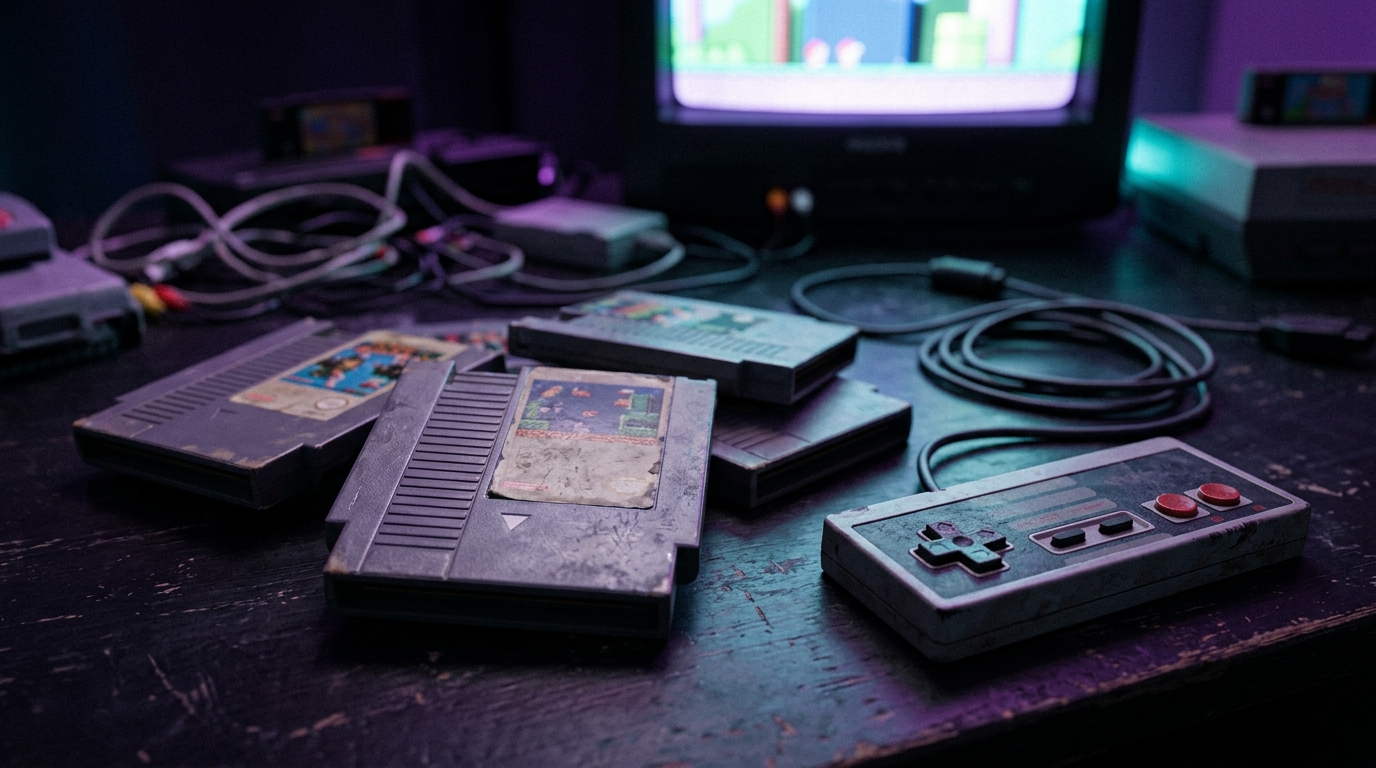
One reason retro gaming works today is that many classic games fit modern schedules. You can play for ten minutes and still feel like you did something. Arcade games, platformers, puzzle games, beat ’em ups, racing games, fighting games, and older handheld titles are easy to start and stop.
That matters because not every player has three hours for a story mission, a raid, or a giant open-world checklist. Sometimes you just want a clean gameplay loop. Retro games deliver that quickly. They are especially good for players who feel burned out by huge modern games.
Simple controls make games easier to revisit
Many classic games have simple controls but deep mastery. A game may only use a few buttons, yet still demand timing, positioning, route knowledge, and decision-making. That balance makes retro games easy to revisit after months or years away.
Modern games can sometimes feel hard to return to because the controls, menus, crafting systems, skill trees, and quest logs are complicated. Retro games are usually easier to pick back up. You remember the core idea fast, then start improving again.
Pixel art and chiptune music aged well
Retro visuals also aged better than many early 3D games. Good pixel art is readable, expressive, and stylish. It does not chase realism, so it does not become outdated in the same way. Chiptune music works the same way. Strong melodies from classic games can stay memorable for decades.
This is why modern indie games still borrow retro aesthetics. Pixel art, limited palettes, crunchy sound effects, and old-school music are not just cheap nostalgia. When used well, they create identity. They help a game stand out in a market full of realistic graphics.
Modern Ways to Play Classic Games
Retro gaming is easier to access now than it used to be. Players can use official classic game subscriptions, mini consoles, remastered collections, digital storefronts, retro handhelds, FPGA-based systems, original hardware, and legal re-releases. The best choice depends on budget, comfort, accuracy, and how serious you are about preservation.
For most casual players, official collections and subscription libraries are the cleanest way to start. Nintendo Switch Online, for example, offers a classic games library across systems such as NES, Super NES, Game Boy, and more. You can browse the official Nintendo Switch Online classic games library to see current supported titles.
Players who want a more hardware-focused experience may look at modern retro devices. Companies like Analogue build systems designed around classic gaming hardware and cartridge support. Analogue describes its products as made to celebrate and explore the history of video games with respect. You can review its hardware lineup on the official Analogue website.
Official collections are the easiest starting point
Official collections are the best option for most players because they are simple, legal, and convenient. You do not need to hunt down old cartridges, repair aging consoles, buy adapters, or learn complicated setup steps. You just download the collection or access the library and start playing.
The downside is selection. Official libraries do not include every classic game. Licensing issues, publisher rights, music rights, expired agreements, and technical problems can keep major titles unavailable. This is one reason retro fans still care deeply about preservation.
Remasters can be better for new players
Remasters and modern ports can be a better entry point for new players. They often include widescreen support, save states, rewind, improved controls, visual filters, online play, difficulty options, or quality-of-life updates. These features can make older games less frustrating without removing what made them special.
Save states and rewind are especially useful for players who do not have the patience for old checkpoint systems. Some purists dislike them, but they help more people experience classic games. Used responsibly, they make retro gaming more accessible without destroying the original design.
Original hardware is cool but not always practical
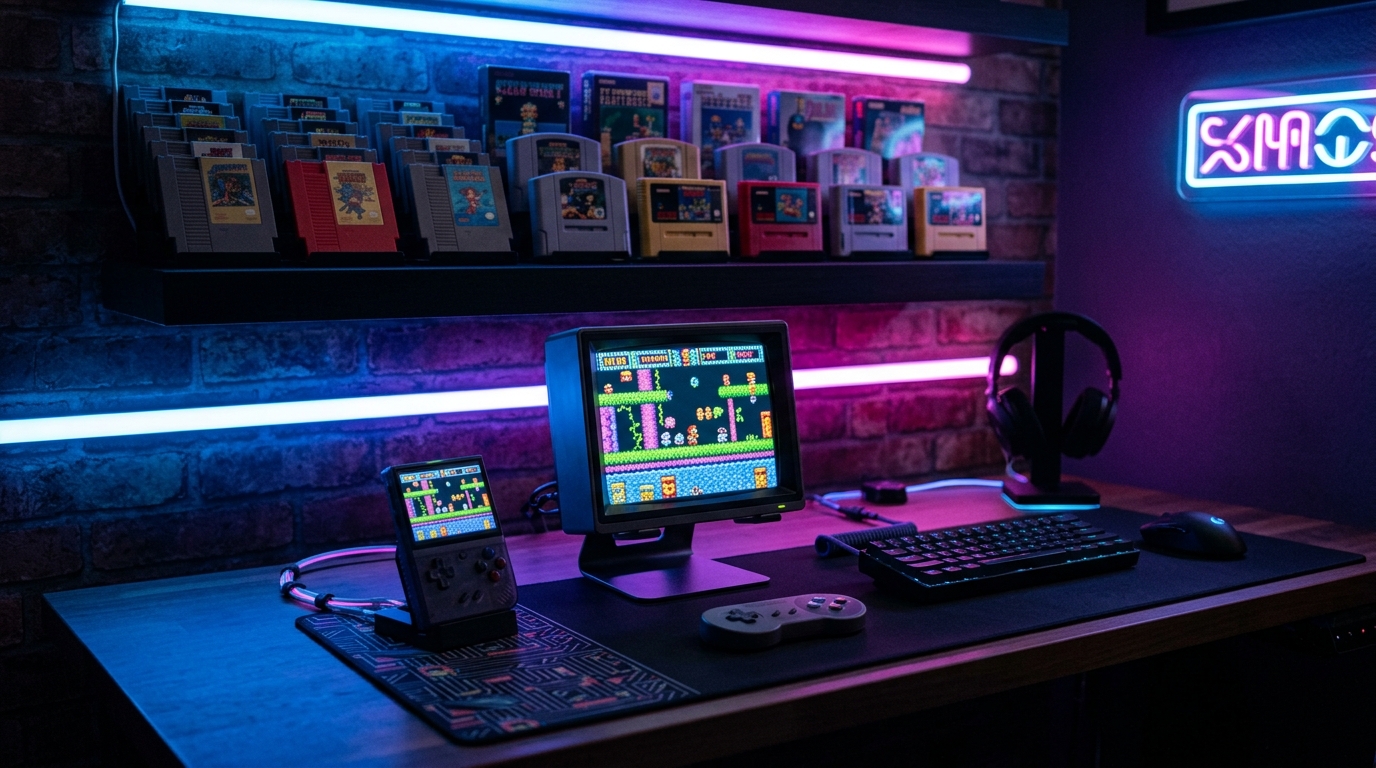
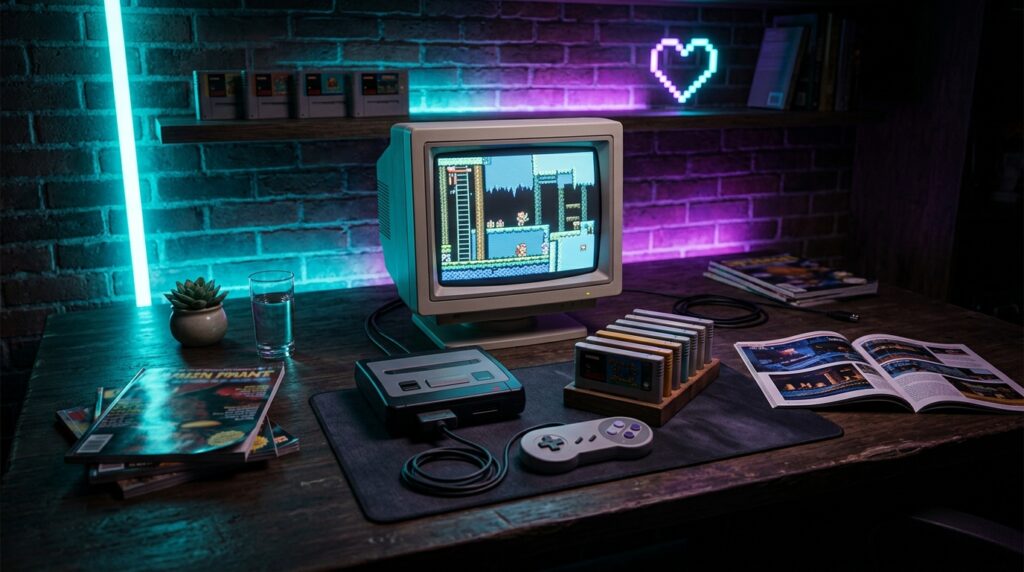
Original hardware has a special feeling. Real cartridges, original controllers, CRT displays, and authentic console quirks can create a more faithful experience. Collectors love this because the object itself matters. The console, box art, manual, controller, and cartridge become part of the hobby.
But original hardware can be expensive, fragile, and inconvenient. Old consoles may need repairs. Cartridges can cost a lot. CRT displays take space. Modern TVs may add input lag or display old signals poorly without adapters. If you want convenience, original hardware may not be the easiest route.
Retro handhelds are the modern sweet spot
Retro handhelds have become popular because they combine nostalgia with convenience. A small device can hold a library of legally owned classics, indie retro-style games, and older titles released through modern platforms. For players who love short sessions, this format makes sense.
Handhelds also fit the way many people play now. You can enjoy a classic RPG on the couch, play a puzzle game before bed, or revisit a platformer during a break. This is where retro gaming and modern portable gaming overlap. The best setup is not always the most authentic one. Sometimes the best setup is the one you actually use.
Retro gaming is also about preservation
Retro gaming is fun, but preservation is the serious side of the conversation. Games are cultural history. They show how technology, art, music, design, storytelling, and player habits changed over time. If old games disappear, part of gaming history disappears with them.
Preservation is complicated because games depend on hardware, software, licenses, controllers, online services, storage media, and documentation. A book can sit on a shelf for decades. A game may need a working console, compatible display, legal access, readable disc, server support, or specific operating system.
That is why players should support official re-releases, collections, museums, archives, developers, and preservation-minded projects when possible. Retro gaming should not only be about collecting rare items. It should also be about keeping important games playable and understandable for future players.
Retro gaming is back because old-school games still deliver. They are focused, memorable, challenging, stylish, and easy to replay. They give players a break from modern gaming overload while reminding everyone that strong design matters more than raw technology.
The best way to start is simple. Pick one classic system, one genre, or one collection. Do not try to buy everything. Play a few classics, learn what you enjoy, then build from there. Whether you use official collections, retro handhelds, remasters, original hardware, or modern ports, the goal is the same: play good games that still hold up.
For more Progz articles, explore Retro Games, Digital Culture, PC Gaming, and Gaming Gear.